

Many American sellers overlook the true power of attribution analytics when refining their Amazon campaigns. Mastering attribution is crucial because understanding exactly how external traffic drives sales allows for smarter budget decisions and more effective listing changes. Sellers who use advanced attribution strategies can see up to 50 percent better campaign performance. This guide clears up common misconceptions and shows how attribution data can directly improve your Amazon product listings and sales outcomes.
Table of Contents
- Amazon Attribution Fundamentals And Misconceptions
- Types Of Trackable External Traffic Channels
- How Amazon Attribution Tags And Reporting Work
- Optimizing Listings Using Attribution Insights
- Common Mistakes And Best Practices For Sellers
Key Takeaways
| Point | Details |
|---|---|
| Amazon Attribution Benefits All Seller Sizes | Smaller and medium-sized sellers can effectively utilize Amazon Attribution for optimization, gaining critical marketing insights that inform strategic decisions. |
| Unique Tracking Parameters are Essential | Generating distinct tracking URLs for each marketing channel enhances measurement accuracy and allows for targeted performance analysis. |
| 14-Day Attribution Window | The reporting dashboard provides insights into marketing performance within a 14-day window, emphasizing the importance of understanding campaign impacts over time. |
| Data-Driven Optimization Strategies | Sellers should leverage insights from Amazon Attribution to refine keywords, target audiences, and optimize listing content for improved sales performance. |
Amazon Attribution Fundamentals and Misconceptions
Amazon Attribution represents a powerful analytics solution designed to help brands comprehensively track and optimize marketing performance across non-Amazon channels. At its core, this tool enables sellers to understand how external marketing efforts translate into product sales on Amazon’s platform. Unlike traditional tracking methods, Amazon’s measurement approach provides granular insights into customer journey and conversion dynamics.
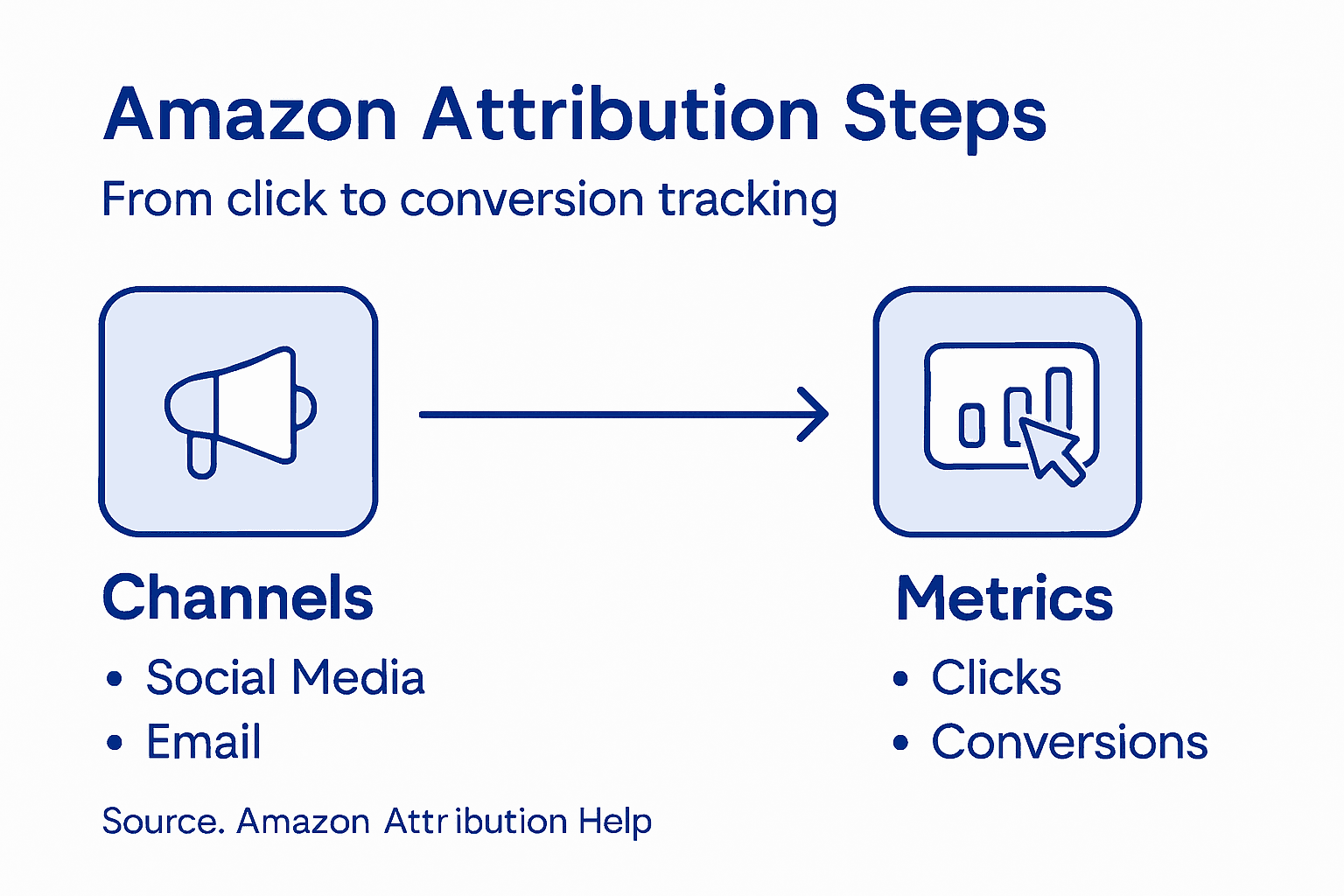
The fundamental mechanism of Amazon Attribution revolves around tracking clicks and conversions from external marketing channels such as search ads, social media campaigns, email marketing, and display advertising. By implementing unique tracking parameters, sellers can trace precisely how different marketing touchpoints contribute to Amazon product page visits and subsequent purchases. This approach allows for a more nuanced understanding of marketing effectiveness beyond simple last-click attribution models.
One of the most prevalent misconceptions about Amazon Attribution is that it only benefits large enterprise sellers. In reality, brands of all sizes can leverage this tool to gain critical marketing intelligence. The platform supports measurement across multiple digital marketing channels, helping sellers understand which strategies genuinely drive Amazon sales. Small and medium-sized sellers can use these insights to optimize their marketing spend, refine targeting strategies, and make data-driven decisions about their promotional efforts.
Pro tip: Configure Amazon Attribution tracking for multiple marketing channels simultaneously to get a comprehensive view of your cross-platform marketing performance.
Here’s a summary of how Amazon Attribution impacts different seller sizes:
| Seller Type | Unique Benefits | Common Challenges | Strategic Advantage |
|---|---|---|---|
| Small Sellers | Pinpoints cost-effective channels | Limited resources for setup | Maximizes return on marketing spend |
| Medium-Sized Sellers | Refines multi-channel strategies | Campaign complexity increases | Enables targeted budget allocation |
| Large Sellers | Granular performance analytics | Integrating with existing analytics | Data-driven campaign scaling |
Types of Trackable External Traffic Channels
Amazon Attribution supports comprehensive tracking across multiple digital marketing channels, enabling sellers to gain deep insights into their external traffic sources. Digital marketing channels represent the diverse platforms and strategies through which brands can drive potential customers to their Amazon product listings. These channels range from paid advertising networks to organic social media engagement, each offering unique opportunities for tracking and optimization.
The primary trackable external traffic channels include:
- Search Engine Advertising: Google Ads, Bing Ads, and other search platform campaigns
- Social Media Advertising: Facebook Ads, Instagram Ads, LinkedIn Ads, Twitter Ads
- Display Advertising: Programmatic ad networks, banner ads, retargeting campaigns
- Email Marketing: Promotional email campaigns with trackable links
- Affiliate Marketing: Promotional links from third-party websites and influencer partnerships
- Content Marketing: Blog posts, articles, and sponsored content with direct product links
Each of these channels requires specific tracking parameters to accurately measure performance within Amazon’s attribution model. Sellers must generate unique tracking URLs for each campaign, ensuring precise measurement of click-through rates, conversion rates, and overall marketing effectiveness. Multichannel tracking strategies can provide granular insights into how different marketing approaches contribute to Amazon sales.
Pro tip: Generate separate tracking URLs for each marketing channel and campaign to maximize your ability to analyze individual performance metrics.
How Amazon Attribution Tags and Reporting Work
Amazon Attribution utilizes a sophisticated tracking mechanism that transforms how sellers understand their marketing performance. Unique tracking tags are the cornerstone of this system, allowing sellers to generate specialized URLs that capture detailed campaign data across multiple marketing channels. These tags are essentially digital fingerprints that track how external marketing efforts translate into Amazon product interactions and sales.
The technical process involves generating unique tracking parameters for each marketing campaign, which are then embedded into destination URLs. When a potential customer clicks on these tagged links, Amazon’s system captures critical data points including:
- Initial ad impressions
- Click-through rates
- Product detail page views
- Add-to-cart actions
- Final purchase conversions
- Total sales revenue generated
Amazon’s reporting dashboard provides a comprehensive 14-day attribution window, meaning sellers can track how marketing efforts influence sales within two weeks of the initial ad click. This approach offers a nuanced view of marketing performance, moving beyond simplistic last-click attribution models. By analyzing these granular metrics, sellers can understand which marketing strategies most effectively drive Amazon product sales and optimize their advertising spend accordingly.

Pro tip: Create campaign-specific tracking tags for each marketing channel to enable precise performance comparison and strategic optimization.
Compare measurable metrics available with Amazon Attribution:
| Metric Tracked | Business Value | Example Optimization |
|---|---|---|
| Click-Through Rate | Reveals ad engagement | Improve ad creatives and targeting |
| Detail Page Views | Shows product interest | Adjust listing content and images |
| Add-to-Cart Actions | Measures buying intent | Refine price and offers |
| Purchase Conversions | Confirms sales impact | Reallocate ad budget to best channels |
| Total Revenue | Quantifies financial results | Prioritize high-ROI campaigns |
Optimizing Listings Using Attribution Insights
Amazon Attribution provides sellers with a powerful toolkit for understanding and enhancing their product listings through data-driven insights. Detailed marketing analytics reveal critical information about how external marketing efforts translate into actual Amazon product engagement, enabling sellers to make strategic optimization decisions that directly impact sales performance.
The key optimization strategies derived from Attribution insights include:
- Keyword Refinement: Identifying high-performing external marketing keywords and integrating them into product titles and backend search terms
- Audience Targeting: Understanding which audience segments generate the most detail page views and conversions
- Content Messaging: Aligning listing descriptions with marketing language that resonates with top-performing customer segments
- Visual Asset Optimization: Selecting and prioritizing product images based on click-through and conversion data from external campaigns
By analyzing metrics like detail page views, add-to-cart rates, and conversion data, sellers can create more compelling and targeted product listings. The insights gained from Attribution go beyond traditional Amazon analytics, offering a holistic view of how external marketing efforts influence product visibility and sales performance. This approach allows sellers to continuously refine their listings, ensuring they speak directly to the most responsive customer segments and maximize their marketing investment.
Pro tip: Regularly cross-reference your Amazon Attribution data with listing performance to identify and implement incremental optimization opportunities.
Common Mistakes and Best Practices for Sellers
Navigating Amazon Attribution requires a strategic approach that balances technical understanding with marketing acumen. Amazon SEO mistakes can significantly impact the effectiveness of tracking and optimization efforts, making it crucial for sellers to understand potential pitfalls and best practices in implementing attribution strategies.
Common mistakes sellers frequently encounter include:
- Incomplete Tracking Setup: Failing to generate unique tracking URLs for each marketing channel
- Neglecting Campaign Segmentation: Using generic tracking parameters that don’t distinguish between different marketing strategies
- Overlooking Attribution Windows: Not understanding the 14-day measurement period and its implications
- Inconsistent Tagging Practices: Creating tracking tags without a standardized naming convention
- Ignoring Cross-Channel Performance: Focusing on single-channel metrics instead of holistic marketing insights
Successful Amazon Attribution implementation requires a methodical approach that goes beyond simple tracking. Sellers must develop a comprehensive strategy that includes precise URL parameter creation, consistent campaign tracking, and ongoing performance analysis. By treating Amazon Attribution as a dynamic tool for marketing intelligence rather than a static reporting mechanism, sellers can unlock deeper insights into their external marketing efforts and their direct impact on Amazon sales performance.
Pro tip: Develop a standardized tracking tag template that includes campaign name, marketing channel, and specific targeting details to ensure consistent and actionable attribution data.
Unlock the Full Potential of Your Amazon Campaigns Today
Understanding Amazon Attribution is crucial for sellers aiming to gain clear insights into which external marketing channels drive real product sales. If you struggle with fragmented data or want to optimize your marketing spend across search ads, social media, and email campaigns, adopting a smart, data-driven approach is the key to success. Concepts like unique tracking tags, multichannel performance, and detailed conversion analytics are essential for transforming your marketing efforts into measurable sales growth.
Ready to take your Amazon marketing to the next level with expert listing optimization and analytics that evolve with your business? Dive deeper into actionable strategies on E-commerce Tips & Strategies to Grow Your Online Business and get personalized help from our team at SearchOneers. Start unlocking smarter campaigns now by combining Amazon Attribution insights with enhanced titles, bullet points, and backend keywords designed to boost your visibility and conversions.
Frequently Asked Questions
What is Amazon Attribution?
Amazon Attribution is an analytics tool that allows brands to track and optimize their marketing performance across non-Amazon channels, helping sellers understand how their external marketing efforts translate into sales on Amazon.
How does Amazon Attribution work?
Amazon Attribution works by generating unique tracking parameters for different marketing channels, allowing sellers to trace clicks and conversions that lead to Amazon product page visits and purchases, providing granular insights into marketing effectiveness.
Can small sellers benefit from Amazon Attribution?
Yes, small sellers can definitely benefit from Amazon Attribution. It provides critical marketing intelligence that helps them optimize their marketing spend and refine their targeting strategies, making data-driven decisions regardless of their size.
What types of marketing channels are trackable with Amazon Attribution?
Amazon Attribution supports various digital marketing channels, including search engine advertising, social media advertising, display advertising, email marketing, affiliate marketing, and content marketing, allowing sellers to analyze performance across all these platforms.

Comments
2 responses to “Amazon Attribution Explained: Unlocking Smarter Campaigns”
[…] Amazon Attribution Explained: Unlocking Smarter Campaigns – Searchoneers […]
[…] Amazon Attribution Explained: Unlocking Smarter Campaigns – Searchoneers […]