

Over seventy percent of American consumers say that a single bad online experience makes them switch sellers. Customer expectations on Amazon have grown more sophisticated, demanding not just fast shipping but also transparency, reliability, and clear communication at every stage. This guide explains what defines the American standard for customer experience on Amazon and how sellers can meet rising buyer demands using technology, data, and proven service strategies.
Table of Contents
- Defining Amazon Customer Experience Standards
- Customer Expectations on Amazon Marketplace
- Key Touchpoints Shaping Buyer Perceptions
- Optimizing Listings for Positive Interactions
- Risks and Common Pitfalls for Sellers
Key Takeaways
| Point | Details |
|---|---|
| Customer Experience Standards | Implementing customer-centric strategies enhances seller visibility and improves buyer satisfaction on Amazon. |
| Expectation Management | Sellers must adapt to evolving customer expectations by ensuring high-quality products and efficient service. |
| Risk Mitigation | Regular compliance audits and proactive risk management are essential to prevent account suspensions and maintain marketplace credibility. |
| Listing Optimization | Comprehensive product listings are crucial for converting interest into sales, requiring continuous monitoring and refinement. |
Defining Amazon Customer Experience Standards
Customer experience on Amazon represents a comprehensive ecosystem of interactions that shape seller success and buyer satisfaction. Implementing customer-centric strategies directly influences loyalty, revenue generation, and long-term marketplace performance. These standards encompass multiple dimensions beyond simple transactional exchanges.
The core components of Amazon’s customer experience framework include responsive communication, accurate product representation, timely shipping, robust return policies, and personalized service interactions. Sellers must recognize that customer satisfaction metrics are dynamically tracked through multiple channels, including direct feedback, review ratings, seller performance scores, and customer support responsiveness. Amazon uses sophisticated algorithms to evaluate these interactions, which can significantly impact a seller’s visibility and selling privileges.
Technology plays a crucial role in defining these standards. Advanced training programs and AI-driven solutions enhance customer service channels, providing sellers with tools to improve responsiveness and accessibility. By leveraging these technologies, sellers can proactively address potential issues, reduce negative feedback, and create seamless purchasing experiences that meet Amazon’s stringent quality expectations.
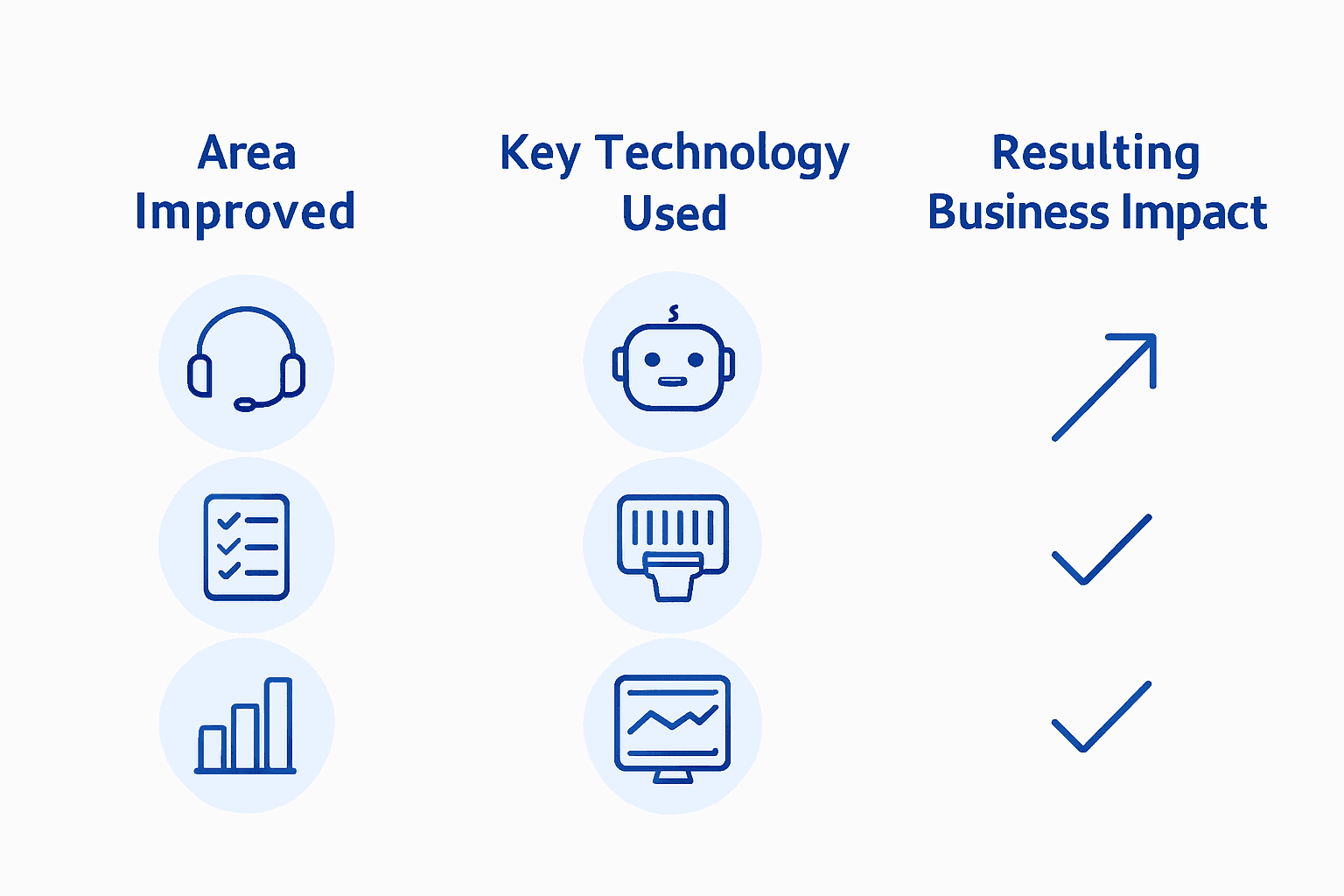
Here’s a summary of how technology enhances different aspects of the Amazon customer experience:
| Area Improved | Key Technology Used | Resulting Business Impact |
|---|---|---|
| Customer Service | AI-driven chatbots | Faster, more accurate responses |
| Listing Optimization | Advanced analytics | Higher conversion and engagement |
| Risk Management | Automated compliance tools | Reduced account suspension risk |
| Personalization | Recommendation engines | Increased repeat purchases |
Pro Customer Service Strategy: Develop a comprehensive customer communication protocol that includes prompt response times, clear communication templates, and proactive problem resolution to maintain high seller performance metrics and customer satisfaction ratings.
Customer Expectations on Amazon Marketplace
Customer expectations on Amazon have evolved into a complex ecosystem of nuanced requirements that extend far beyond basic product transactions. Modern shoppers demand a comprehensive experience that integrates reliability, transparency, and seamless interaction across multiple touchpoints. Sophisticated consumer review strategies now play a critical role in shaping purchasing decisions, with buyers seeking balanced and informative content that provides genuine insights into product performance.
The fundamental pillars of customer expectations include product quality, competitive pricing, accurate descriptions, rapid shipping, responsive customer support, and straightforward return policies. Amazon has systematically trained consumers to anticipate near-instantaneous delivery, real-time order tracking, and comprehensive product information. Sellers must recognize that these expectations are not static but continuously evolving, driven by technological advancements and changing consumer preferences.
Technology and data analytics have transformed customer expectations by enabling personalized shopping experiences. Recommendation algorithms, detailed product reviews, verified purchase badges, and dynamic pricing strategies have created a marketplace where transparency and social proof are paramount. Sellers who understand and anticipate these expectations can differentiate themselves by providing exceptional service, proactively addressing potential concerns, and maintaining high standards of communication and product representation.
Pro Customer Insight Strategy: Regularly analyze customer feedback, review patterns, and support interactions to identify emerging expectations and continuously refine your product offerings and customer engagement approach.
Key Touchpoints Shaping Buyer Perceptions
Buyer perceptions on Amazon are sculpted through multiple intricate interactions that extend far beyond traditional product purchasing. Detailed review structures and argumentative content play a pivotal role in constructing consumer trust and influencing purchasing decisions, with each touchpoint representing a critical moment of potential connection or disconnection between sellers and buyers.

The primary touchpoints that decisively shape buyer perceptions include product listings, customer reviews, seller responsiveness, shipping performance, return processes, and overall customer support quality. Visual presentation and detailed product information serve as the first line of engagement, while data privacy and security measures increasingly become fundamental trust signals for discerning consumers. Sellers must recognize that each interaction represents an opportunity to build or erode consumer confidence through consistent, transparent, and professional engagement.
Technology has transformed these touchpoints, enabling more sophisticated and nuanced interactions. Advanced recommendation algorithms, verified purchase badges, detailed seller performance metrics, and real-time communication channels have created a dynamic ecosystem where buyers can make increasingly informed decisions. Successful Amazon sellers understand that perception is not just about the product, but about the entire purchasing journey—from initial product discovery through post-purchase support.
Pro Perception Management Strategy: Systematically audit and optimize each customer interaction point, treating every touchpoint as a critical opportunity to demonstrate professionalism, reliability, and commitment to exceptional customer experience.
Optimizing Listings for Positive Interactions
Comprehensive product listing strategies represent the foundational framework for creating positive customer interactions on Amazon. Successful sellers understand that a product listing is more than just a description—it’s a strategic communication tool designed to convert browser interest into confirmed purchases. Every visual element, keyword, and descriptive phrase must be carefully crafted to address potential customer questions, highlight unique product benefits, and create an immediate sense of value and trust.
The core components of an optimized listing include high-resolution imagery, precise and compelling product titles, strategically written bullet points, and detailed descriptions that anticipate and address potential customer concerns. Thorough product research and adherence to Amazon’s guidelines are critical in developing listings that not only attract attention but also provide accurate, transparent information that builds consumer confidence. Sellers must approach their listings as a comprehensive narrative that guides potential buyers through a clear understanding of the product’s features, benefits, and unique value proposition.
Technology and data analytics have transformed listing optimization, enabling sellers to leverage advanced keyword research, performance metrics, and consumer behavior insights. Dynamic pricing strategies, A+ content, enhanced brand content, and multimedia elements now provide sophisticated tools for creating immersive and compelling product presentations. Successful Amazon sellers recognize that optimization is an ongoing process, requiring continuous monitoring, testing, and refinement to stay competitive in a rapidly evolving marketplace.
Pro Listing Optimization Strategy: Conduct monthly comprehensive audits of your product listings, analyzing performance metrics, customer feedback, and competitive landscapes to incrementally improve your presentation and conversion potential.
Risks and Common Pitfalls for Sellers
Successful Amazon selling requires navigating a complex landscape of potential risks and challenges that can dramatically impact seller performance and marketplace standing. Navigating legal challenges and policy compliance represents a critical foundation for sustainable marketplace success, with sellers facing multifaceted risks that extend far beyond simple product transactions.
The most prevalent risks for Amazon sellers include account suspension, intellectual property infringement, product quality inconsistencies, pricing strategy missteps, and compliance violations. Each of these potential pitfalls can emerge from seemingly minor oversights, such as inaccurate product descriptions, unauthorized use of branded materials, inconsistent inventory management, or failing to meet Amazon’s stringent performance metrics. Sellers must develop robust systems for continuous monitoring, proactive risk management, and swift corrective action to maintain marketplace credibility and prevent unexpected account restrictions.
This comparison highlights frequent risks for sellers and effective prevention tactics:
| Risk Type | Common Cause | Prevention Approach |
|---|---|---|
| Account Suspension | Policy violations | Regular compliance audits |
| Intellectual Property Issues | Improper use of materials | Verify brand permissions |
| Product Quality Complaints | Inconsistent suppliers | Implement strict quality checks |
| Pricing Errors | Manual updates | Use automated pricing software |
Technology and data analytics have transformed risk mitigation strategies, enabling sellers to leverage advanced monitoring tools, automated compliance checks, and predictive performance analytics. Sophisticated sellers utilize real-time tracking systems that provide early warning signals for potential policy violations, inventory discrepancies, and performance metric deviations. These technological solutions enable proactive management, allowing sellers to address potential issues before they escalate into significant marketplace challenges that could compromise their selling privileges.
Pro Risk Management Strategy: Implement a monthly comprehensive compliance audit that reviews your account performance, product listings, inventory accuracy, and policy adherence to identify and mitigate potential risks before they impact your selling capabilities.
Elevate Your Amazon Customer Experience for Greater Seller Success
Navigating the complexities of Amazon’s customer experience standards is a critical challenge for any seller aiming to thrive. From mastering responsive communication to optimizing listings with precise keywords and compelling content, your goal is clear: meet evolving customer expectations and prevent risks like account suspension. Our expertise in Amazon Listing Optimization and SEO & Analytics directly addresses these pain points by enhancing your titles, bullet points, and backend keywords for superior visibility and higher conversions.
Take control of your selling journey with proven strategies that transform customer interactions into lasting success. Discover expert insights and actionable tips on how to grow and sustain your Amazon business with our dedicated E-commerce Tips & Strategies to Grow Your Online Business category.

Ready to unlock your Amazon selling potential and deliver the flawless customer experience buyers expect? Visit SearchOneers now and start optimizing your listings and SEO strategies with smart, data-backed solutions designed to evolve with Amazon’s marketplace. Don’t wait to turn insights into impact and boost your seller performance today.
Frequently Asked Questions
How does Amazon influence seller success through customer experience?
Amazon shapes seller success by establishing customer experience standards that focus on responsive communication, accurate product representation, timely shipping, robust return policies, and personalized service. These standards help sellers build customer loyalty and enhance revenue generation.
What are the key components of optimizing product listings on Amazon?
Optimizing product listings involves using high-resolution images, compelling product titles, well-structured bullet points, and detailed descriptions that address customer concerns. This ensures better visibility and conversion rates for sellers.
How can technology improve customer service for Amazon sellers?
Technology enhances customer service through AI-driven chatbots, automated compliance tools, and advanced analytics. These solutions allow sellers to respond quickly to customer inquiries, manage risks, and personalize the buying experience.
What risks should Amazon sellers be aware of to maintain their selling privileges?
Sellers should be aware of risks such as account suspension, intellectual property infringement, product quality complaints, and pricing strategy errors. Implementing regular audits and compliance checks can help mitigate these risks.
Recommended
- Understanding Amazon Growth Strategies – Scale Your Business
- Amazon Marketing Strategy Case Study: Boosting Seller Success – Searchoneers
- Seller Central Explained: Complete Guide for Amazon Sellers – Searchoneers
- 10 Effective Ways to Increase Amazon Sales in 2025
- Understanding Managing Customer Expectations in Diesel Services – My WordPress
- Is Retail Staff Excellence a Myth? | Ambeone Dubai UAE

Comments
One response to “Amazon Customer Experience: Impact on Seller Success”
[…] Amazon Customer Experience: Impact on Seller Success – Searchoneers […]