

Every american entrepreneur stepping into Amazon Marketplace faces a steep learning curve packed with unfamiliar terms and rules. With more than two million active third-party sellers worldwide, understanding core concepts is not just helpful but necessary to stand out and thrive. This guide breaks down the most important Amazon Marketplace terms, fee structures, and compliance essentials so you can build a smarter, more profitable selling strategy from the start.
Table of Contents
- Core Amazon Marketplace Terms Defined
- Seller Account Types And Obligations
- Important Listing And Seo Terminology
- Fee Structures And Payment Policies
- Common Risks, Pitfalls, And Compliance
Key Takeaways
| Point | Details |
|---|---|
| Understanding Seller Central | Seller Central is the main platform for managing business operations, including inventory, orders, and marketing analytics. |
| Choosing Account Types | Sellers must choose between Individual and Professional accounts, each with unique fees and features, impacting how they do business. |
| Mastering SEO Terms | Familiarity with Amazon SEO terminology is crucial for optimizing product visibility and increasing sales potential. |
| Navigating Fee Structures | A thorough understanding of referral and fulfillment fees is key to maintaining profitability on the platform. |
Core Amazon Marketplace Terms Defined
Amazon Marketplace represents a dynamic digital commerce platform where third-party sellers can reach millions of potential customers worldwide. Wikipedia describes this ecosystem as a complex network where individual merchants and brands can list, promote, and sell products alongside Amazon’s own inventory.
Seller Central is the primary dashboard where Amazon sellers manage their entire business operations. It provides comprehensive tools for inventory management, order processing, performance tracking, and marketing analytics. Sellers access critical functions like listing creation, pricing adjustments, shipping configurations, and customer communication through this centralized platform.
Fulfillment by Amazon (FBA) is a strategic service that allows sellers to leverage Amazon’s extensive logistics infrastructure. When utilizing FBA, sellers ship their products to Amazon’s warehouses, and the company handles storage, packaging, shipping, customer service, and returns. This service enables sellers to tap into Amazon’s world-class delivery network and Prime shipping capabilities, potentially increasing their product visibility and customer trust.
Other core marketplace terms sellers should understand include:
- Buy Box: The coveted white box on product pages where customers can directly click “Add to Cart” or “Buy Now”
- ASIN (Amazon Standard Identification Number): A unique 10-character identifier assigned to each product in the Amazon catalog
- Referral Fee: The percentage Amazon charges sellers for each product sold through their platform
Understanding these fundamental terms is crucial for navigating the types of Amazon search terms effectively and optimizing your selling strategy on this competitive marketplace.
Seller Account Types and Obligations
Amazon offers two primary seller account types that enable merchants to establish their presence on the marketplace. AWS Marketplace provides detailed guidance on seller eligibility, highlighting the nuanced requirements for different account structures.
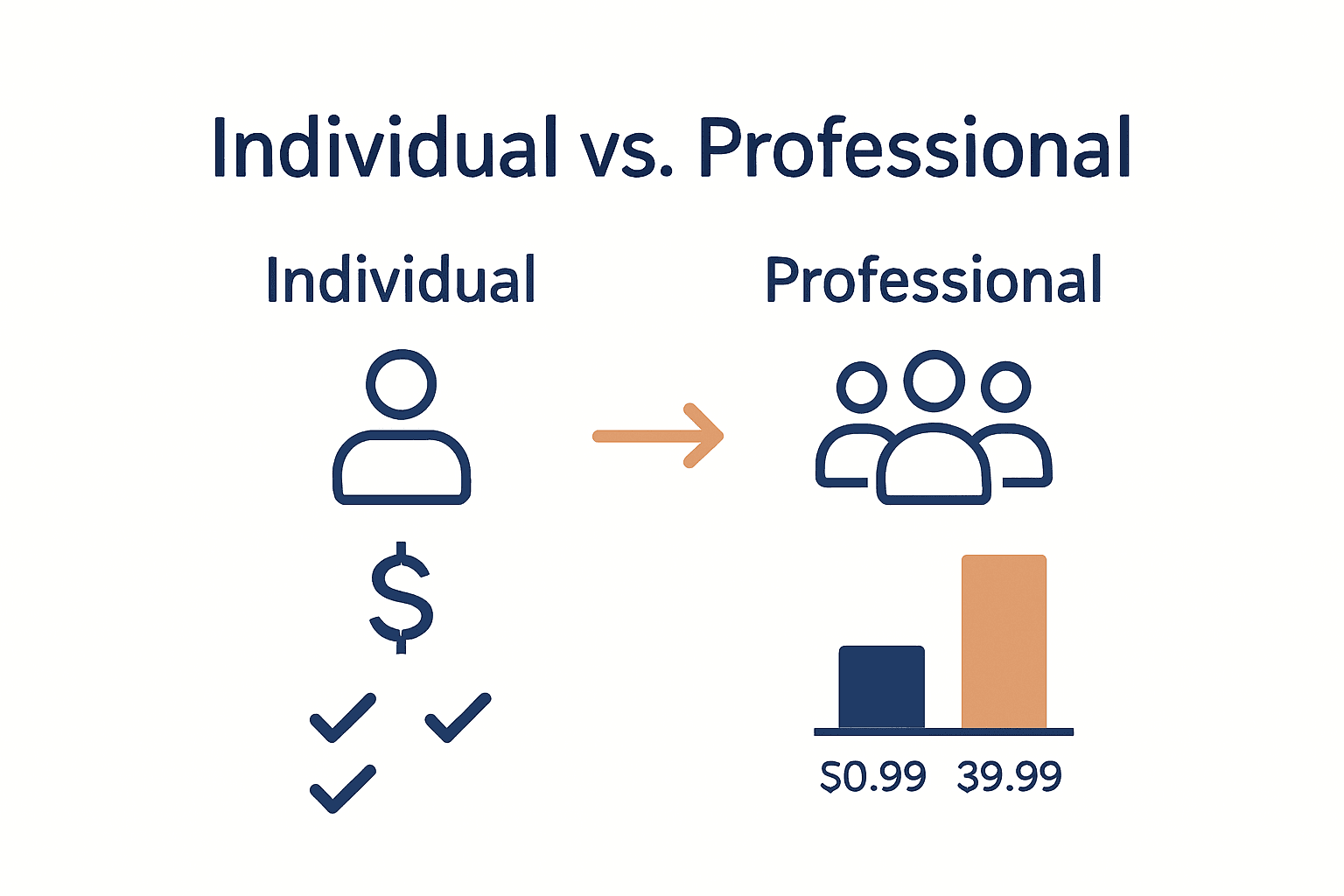
Individual Seller Accounts are designed for occasional sellers or those just starting their ecommerce journey. These accounts have no monthly subscription fee, making them attractive for sellers with limited inventory or those testing the marketplace. Sellers pay a per-item fee for each product sold, which can be more cost-effective for those with fewer transactions. However, these accounts come with certain limitations, such as restricted access to advanced selling tools and marketing features.
Professional Seller Accounts represent a more comprehensive selling solution for established businesses and serious entrepreneurs. These accounts require a monthly subscription fee but unlock a range of advanced features. Professional sellers gain access to bulk listing tools, detailed sales reports, advertising capabilities, and the ability to sell in restricted categories.
 AWS Marketplace emphasizes the importance of understanding the specific obligations and tax implications associated with these account types.
Key obligations for Amazon sellers include:
- Maintaining accurate product listings
- Providing timely and reliable shipping
- Responding promptly to customer inquiries
- Adhering to Amazon’s performance metrics
- Complying with tax reporting requirements
- Protecting customer data and privacy
Learn more about optimizing your seller strategy with our Seller Central complete guide, which provides in-depth insights into maximizing your marketplace potential.
Important Listing and SEO Terminology
Amazon Seller University emphasizes that mastering product listing terminology is crucial for sellers seeking to maximize their marketplace visibility. Understanding the nuanced language of Amazon SEO can dramatically improve a product’s searchability and conversion potential.
Backend Keywords represent a critical yet invisible component of product optimization. These are searchable terms sellers can add to their product listings that aren’t visible to customers but help Amazon’s algorithm understand and categorize products more effectively. Sellers strategically select these keywords to improve their product’s chances of appearing in relevant search results, targeting potential customers who might use alternative search phrases.
Product Indexing is another essential concept in Amazon’s search ecosystem. This process determines whether a product appears in search results for specific keywords. When a product is properly indexed, it means Amazon has recognized and stored the product’s relevant search terms in its database. Factors influencing indexing include product title, bullet points, description, and backend keywords. Sellers must carefully craft these elements to ensure maximum searchability.
Key Amazon listing and SEO terminology includes:
- A+ Content: Enhanced marketing description allowing rich media and detailed product storytelling
- Search Term Fields: Specific areas where sellers can input additional searchable keywords
- Relevance Score: Amazon’s internal metric measuring how well a product matches customer search intent
- Canonical Listing: The primary product listing when multiple variations exist
For sellers looking to dive deeper into listing optimization strategies, our guide on listing quality provides comprehensive insights into creating high-performing product pages.
Fee Structures and Payment Policies
Wikipedia provides a comprehensive overview of Amazon’s intricate fee structures that sellers must navigate carefully. The marketplace has designed a multifaceted pricing model that balances seller accessibility with platform sustainability.
Referral Fees represent the primary revenue mechanism for Amazon, with percentages varying dramatically across different product categories. These fees typically range from 8% to 15% of the total sale price, depending on the specific product type. AWS Marketplace emphasizes that sellers must understand these category-specific variations to accurately predict their potential profitability.
Fulfillment Fees come into play for sellers utilizing Fulfillment by Amazon (FBA), which includes storage, packaging, and shipping costs. These fees are calculated based on product dimensions, weight, and the time of year. Seasonal fluctuations can significantly impact storage expenses, with higher rates during peak holiday months. Sellers must carefully calculate these additional costs to maintain healthy profit margins.
Key financial considerations for Amazon sellers include:
- Monthly Subscription Fees: $39.99 for Professional Sellers
- Per-Item Fees: $0.99 for Individual Sellers on each transaction
- Long-Term Storage Fees: Additional charges for inventory stored over 365 days
- Closing Fees: Standard fees for media category products
Understanding these complex fee structures is crucial for maintaining a profitable Amazon selling strategy.
Common Risks, Pitfalls, and Compliance
ArXiv research reveals that trust dynamics represent a critical challenge for Amazon Marketplace sellers, with multiple potential risks threatening their business sustainability. Understanding these potential pitfalls is essential for maintaining a successful and compliant selling strategy.
Performance Metrics are a fundamental aspect of Amazon’s seller evaluation system. Sellers must maintain strict adherence to key performance indicators, including order defect rate, late shipment rate, and customer feedback scores. Falling below Amazon’s predetermined thresholds can result in account suspension or complete removal from the marketplace. ArXiv research on network dynamics highlights how interconnected product recommendations and seller behaviors can dramatically impact overall marketplace trust.
Account Compliance requires sellers to navigate a complex landscape of regulations and guidelines. Common risks include inadvertently violating product listing policies, misrepresenting product details, or failing to maintain accurate inventory levels. Amazon’s algorithm continuously monitors seller activities, with potential consequences ranging from listing restrictions to complete account termination. Sellers must remain vigilant about understanding and implementing the platform’s ever-evolving compliance requirements.
Key risks and compliance considerations include:
- Counterfeit Product Allegations: Potential suspension for selling unauthorized or replica items
- Intellectual Property Violations: Legal risks associated with trademark or copyright infringements
- Review Manipulation: Strict penalties for attempting to artificially inflate product ratings
- Price Matching Requirements: Maintaining competitive pricing across different sales channels
- Tax and Reporting Obligations: Accurate financial reporting and tax documentation
Navigating the complex landscape of Amazon Marketplace requires constant attention to detail and a proactive approach to risk management.
Master Amazon Marketplace Terms and Boost Your Selling Success
Navigating the complex world of Amazon Marketplace terms like Seller Central, Fulfillment by Amazon, and backend keywords can be overwhelming. You want to optimize your listings, improve your product indexing, and understand fee structures without getting lost in the details. These challenges can slow your growth and hurt your profits. If you are ready to conquer these issues and elevate your selling game join us for expert guidance. Discover proven strategies and detailed insights in E-commerce Tips & Strategies to Grow Your Online Business that will help you understand and apply crucial Amazon concepts with confidence.

Don’t wait until pitfalls like performance metric failures or compliance risks impact your business. Take action now by visiting searchoneers.com for focused Amazon listing optimization, powerful SEO tactics, and analytics to keep your store competitive. Learn more about mastering Seller Central and enhancing your product visibility by exploring our Seller Central complete guide. Your marketplace success starts with the right knowledge and tools so make the smart move today.
Frequently Asked Questions
What is Amazon Marketplace?
Amazon Marketplace is a digital commerce platform where third-party sellers can list and sell products alongside Amazon’s own inventory to reach a global audience.
What is Seller Central?
Seller Central is the primary dashboard for Amazon sellers, providing tools for managing inventory, processing orders, tracking performance, and analyzing marketing efforts.
What are the two types of seller accounts on Amazon?
Amazon offers Individual Seller Accounts, suitable for occasional sellers with no monthly fees, and Professional Seller Accounts, which require a monthly subscription and offer more advanced selling features.
What are referral fees on Amazon Marketplace?
Referral fees are a percentage of each sale that Amazon charges sellers, typically ranging from 8% to 15% depending on the product category.

Comments
One response to “Complete Guide to Amazon Marketplace Terms”
[…] Complete Guide to Amazon Marketplace Terms – Searchoneers […]